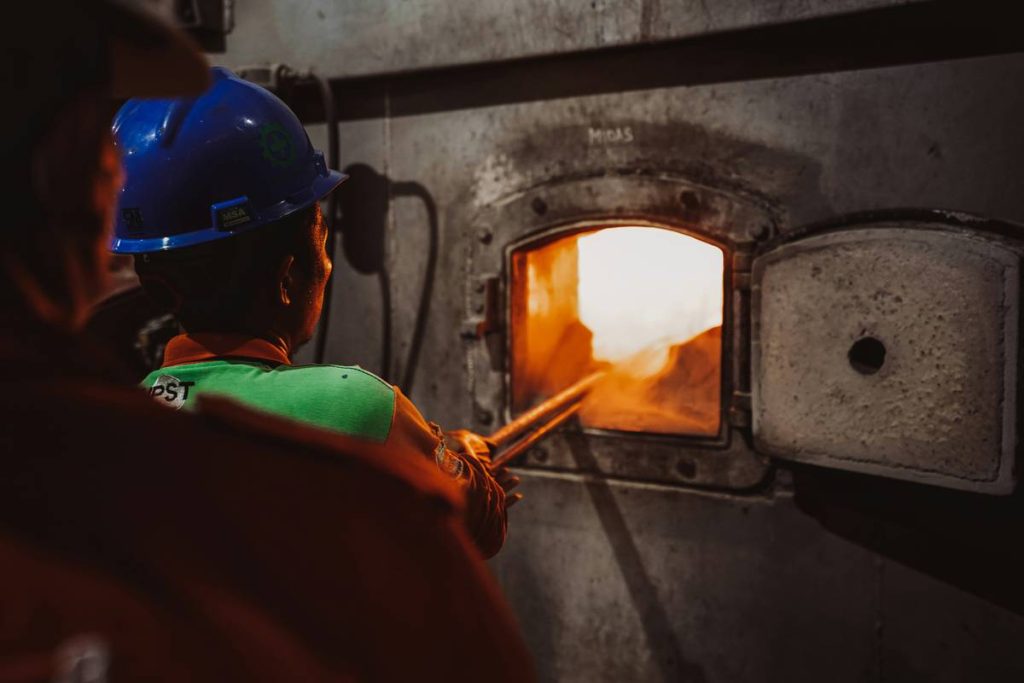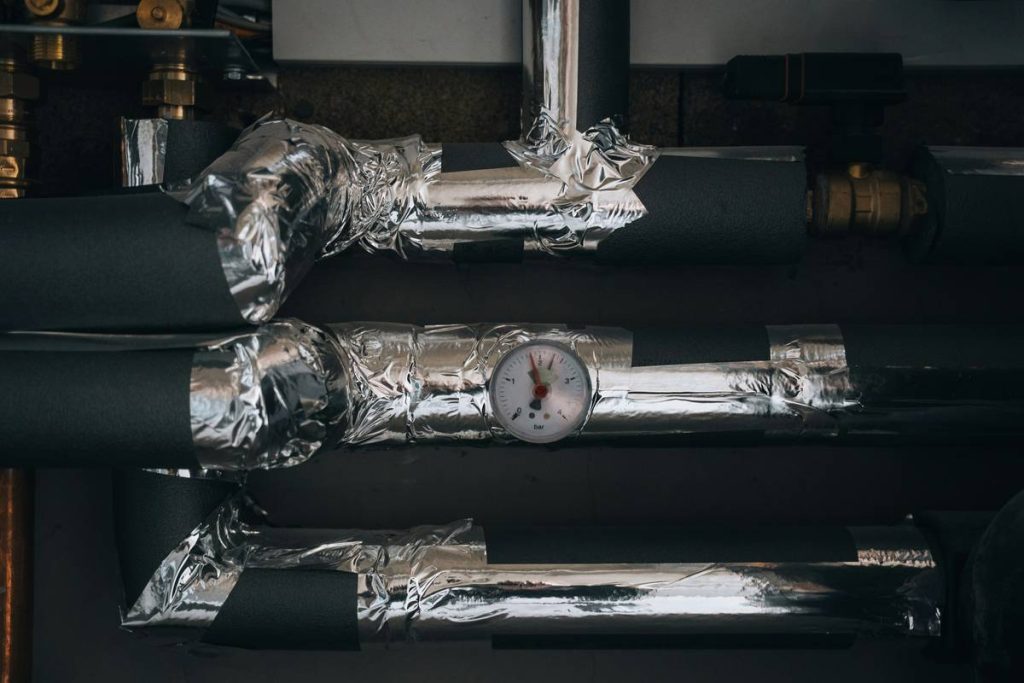
Prisons rely on industrial-grade boilers for heating, laundry, kitchens, and sanitation. When one fails—catastrophically—it doesn’t just shut down hot water. It halts operations, triggers safety violations, and risks inmate unrest. Standard property policies flat-out exclude this exposure. The fix? Specialized boiler insurance for prisons.
Why Typical Insurance Policies Fail in Correctional Facilities
Most commercial property policies treat boilers as “wear-and-tear” items. They won’t cover sudden mechanical breakdowns or pressure-related explosions. And forget business interruption add-ons—they often cap coverage far below what a prison actually loses per day of downtime.
Here’s the reality: correctional facilities operate 24/7 with zero margin for error. A single boiler rupture can cost $250,000+ in emergency repairs alone—not counting regulatory fines or forced evacuations. General liability won’t touch it. Neither will your standard equipment floater.
How to Secure Real Boiler Insurance for Prisons—Step by Step
Step 1: Classify Your Equipment Correctly
Determine whether your boilers fall under ASME Section I (power boilers) or Section IV (heating). Misclassification = denied claims. Many prison systems run aging, high-pressure units that require higher hazard ratings.
Step 2: Demand “All-Risk” Machinery Breakdown Coverage
Avoid named-peril policies. You need coverage for electrical arcing, operator error, latent defects—even steam hammer events. Insist on “consequential damage” clauses that cover ruined piping or adjacent infrastructure.
Step 3: Embed Business Interruption with Daily Penalty Multipliers
Standard BI pays $5K/day. A locked-down prison losing meal prep, laundry, and medical services? Real loss exceeds $20K/day. Push for custom indemnity periods tied to DOC operational protocols—not generic 30-day caps.
| Coverage Type | Standard Commercial Policy | Specialized Boiler Insurance for Prisons |
|---|---|---|
| Mechanical Breakdown | Excluded | Covered (including hidden defects) |
| Emergency Repairs & Overtime Labor | Not covered | Up to policy limit ($100K+ common) |
| Business Interruption Trigger | Physical damage only | Includes mandatory shutdowns by state inspectors |
| Regulatory Compliance Costs | Never covered | Optional endorsement available |
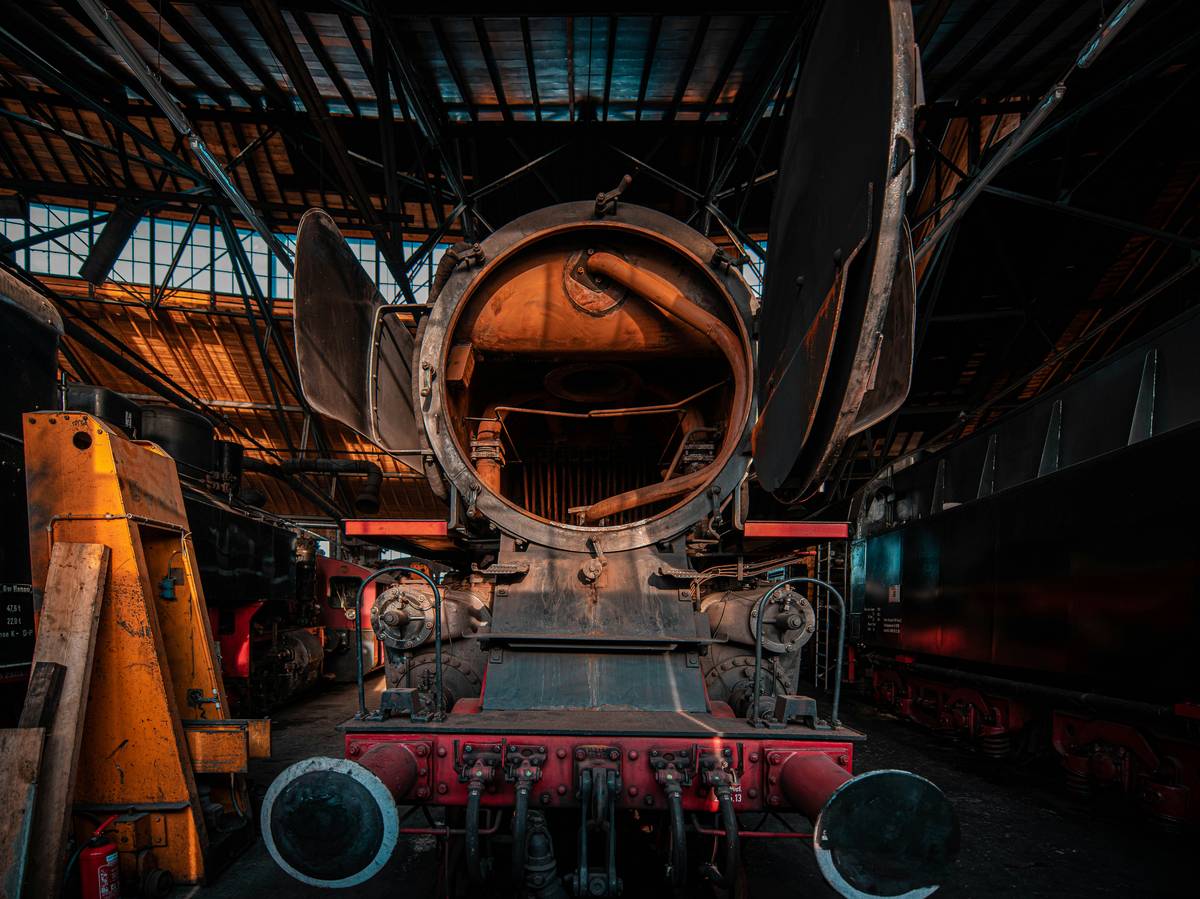
The Industry Secret: Most Prison Systems Are Underinsured—On Purpose
State procurement rules often force corrections departments to accept the lowest-bid insurance. Brokers cut corners by bundling boiler risk into generic “equipment” pools with inadequate sublimits. The result? A claim gets diluted across dozens of assets—leaving prisons holding six-figure repair bills.
But here’s what few admit: carriers like Hartford Steam Boiler (HSB) and Munich Re offer standalone correctional facility endorsements that bypass public bid constraints if framed as “risk mitigation,” not insurance. Smart agencies position it as a security protocol—not a line item. That loophole saves millions after a failure.
Frequently Asked Questions
Does boiler insurance for prisons cover explosions?
Yes—if you have machinery breakdown coverage with explosion peril included. Standard fire policies exclude internal pressure events. Always verify your form includes “sudden and accidental” rupture language.
Are inmate labor costs covered during repairs?
No. But extra expense coverage can reimburse overtime for civilian technicians brought in during emergencies. Inmate labor isn’t compensable under insurance—but delay penalties might be.
Can private prisons get this coverage?
Absolutely—and they often pay less. Private operators typically maintain newer equipment and share real-time telemetry with insurers, qualifying for premium credits unavailable to underfunded public systems.