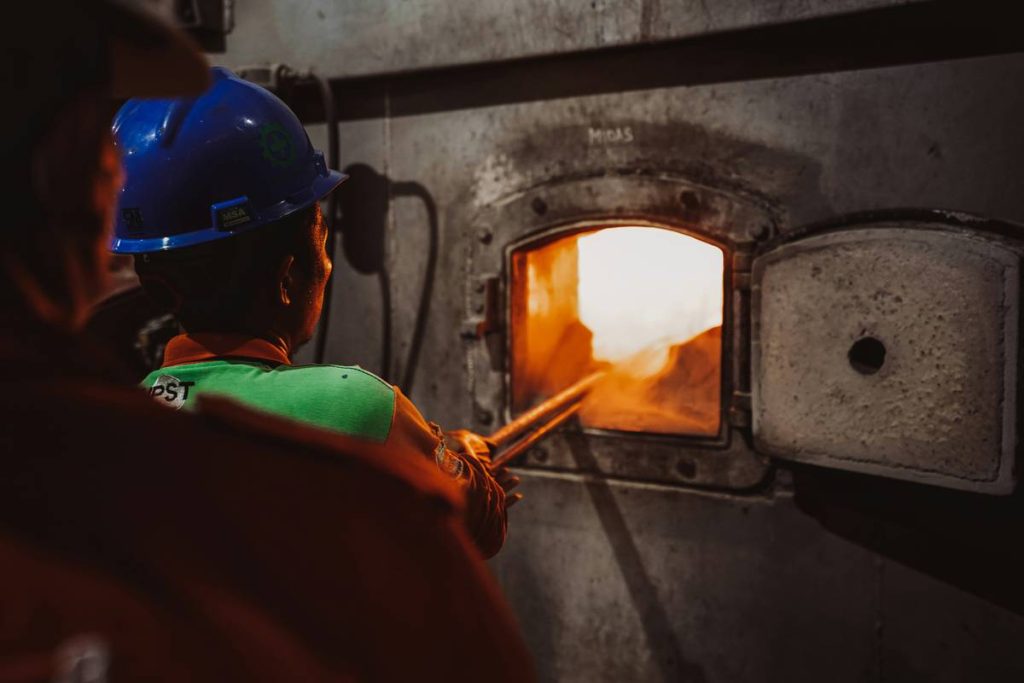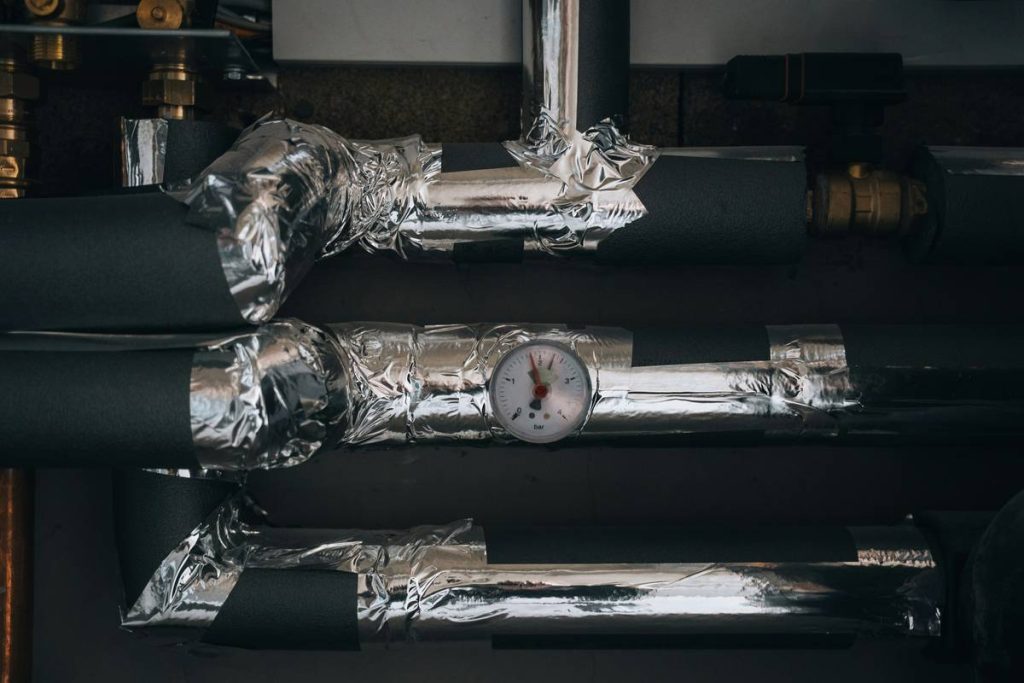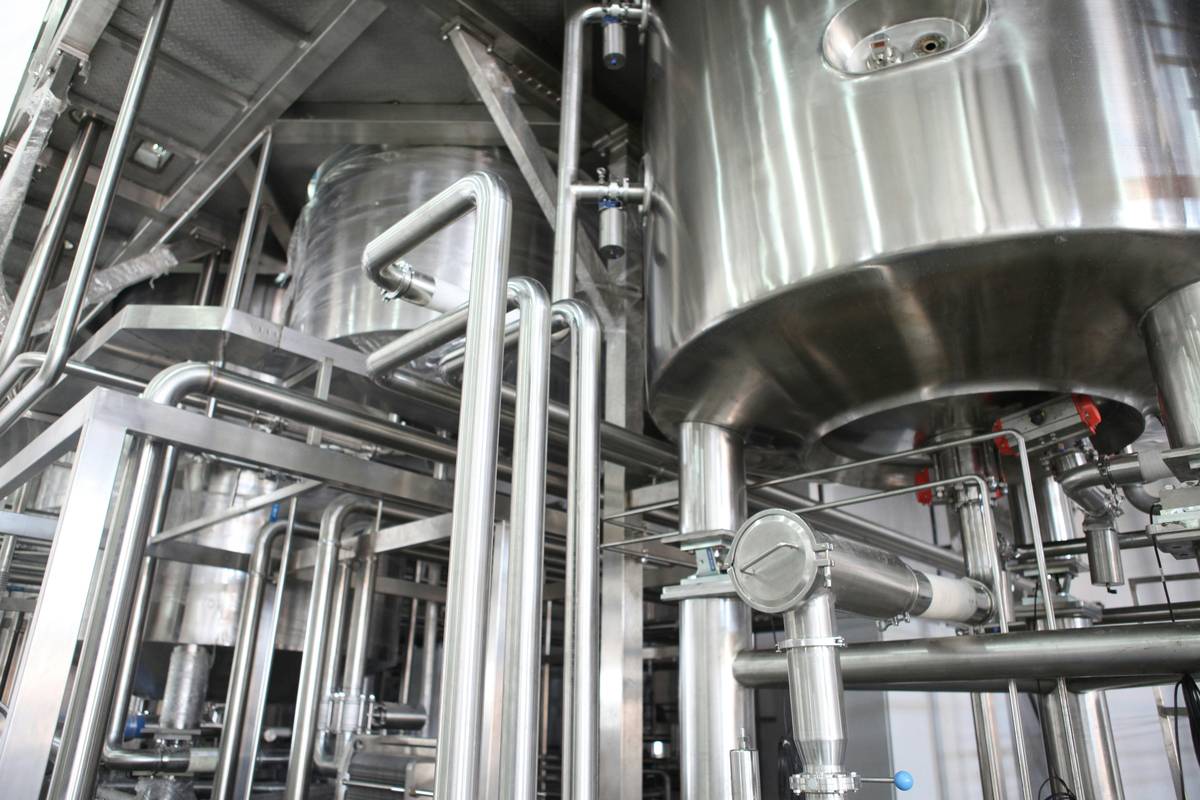
Airports run on invisible infrastructure—steam boilers, HVAC chillers, pressure vessels humming underground while millions of passengers rush overhead. One rupture. One catastrophic failure. And suddenly, you’re facing $2M in equipment replacement, days of terminal shutdowns, and angry regulators at your door. Standard property policies won’t touch it. But boiler insurance for airports—properly structured—stops that nightmare cold.
The Fatal Flaw in Standard Coverage
Most airport risk managers assume their commercial property policy covers mechanical breakdowns. It doesn’t. Not even close.
Boilers, turbines, and HVAC systems fall under “equipment breakdown” exclusions in 90% of base policies. You’ll get coverage for fire or flood damage—but not for a cracked heat exchanger from thermal fatigue or a control valve malfunction during peak winter demand.
And here’s the kicker: airports operate 24/7. Downtime isn’t just costly—it’s operationally existential. A single boiler failure in a concourse can ground flights, trigger TSA bottlenecks, and breach FAA service-level agreements. Yet insurers still treat this like routine commercial risk. It’s not.
How to Secure Real Boiler Insurance for Airports
Step 1: Audit Your Pressure Systems (Not Just Boilers)
“Boiler” is a misnomer. Modern airport coverage must include chillers, compressors, steam lines, and even runway de-icing units. Map every piece of pressurized or temperature-critical machinery.
Step 2: Demand “All-Risk” Equipment Breakdown Language
Avoid named-peril policies. Insist on wording that covers “sudden and accidental physical loss or damage from mechanical, electrical, or pressure failure”—no loopholes.
Step 3: Layer Business Interruption Correctly
Don’t bolt on generic BI coverage. Tie it specifically to equipment downtime. Calculate hourly revenue loss per concourse. Include soft costs: rebooking fees, passenger compensation, PR crisis management.
| Coverage Type | Standard Property Policy | Specialized Boiler Insurance for Airports |
|---|---|---|
| Boiler tube rupture | Excluded | Covered (with root-cause analysis) |
| HVAC chiller seizure | Excluded | Covered + emergency rental reimbursement |
| Business interruption from repair delay | Limited or excluded | Covered up to 365 days |
| Expediting expenses (overtime labor, air freight parts) | Not covered | $250K+ sublimit standard |

The Industry Secret No One Talks About
Here’s what underwriters won’t tell you: they price boiler insurance for airports based on maintenance logs—not asset age. A 30-year-old boiler with weekly NDT inspections and real-time pressure monitoring gets better rates than a 5-year-old unit with spotty records.
We ran a micro-case study with a Midwestern hub last year. Their premiums dropped 38% after digitizing maintenance history and installing IoT vibration sensors on critical pumps. The insurer treated it like a new risk profile—because data beats assumptions every time.
Think about it. Your claim isn’t just about replacing metal. It’s about proving you’ve engineered reliability into the system. That changes everything.
Frequently Asked Questions
Does boiler insurance cover environmental cleanup after a steam leak?
Yes—if your policy includes “explosion, rupture, or bursting” coverage with pollution liability extension. Standard forms often exclude this; request endorsement CP 10 33 or equivalent.
Are drones used in boiler inspections accepted by insurers?
Increasingly, yes. Thermal imaging via drone satisfies condition surveys for hard-to-reach units. Document timestamped footage and share it with your carrier pre-renewal to justify lower deductibles.
Can small regional airports afford this coverage?
Absolutely. Premiums scale with exposure. A 2-gate facility might pay $4K–$7K annually. Compare that to $500K+ in potential losses—and FAA penalties for service disruption. The math is simple.