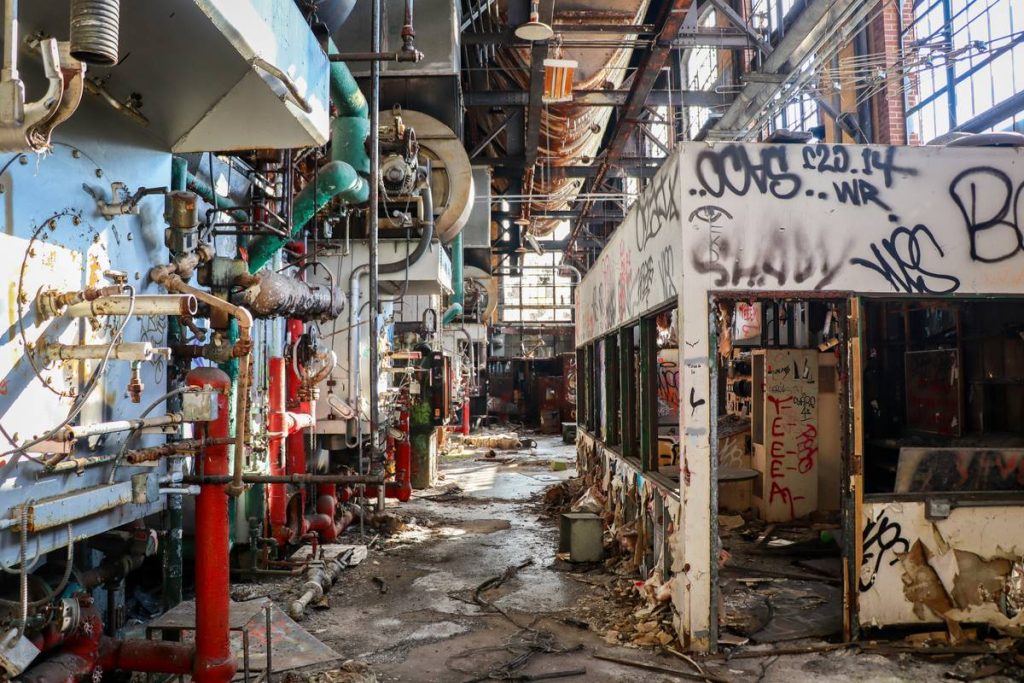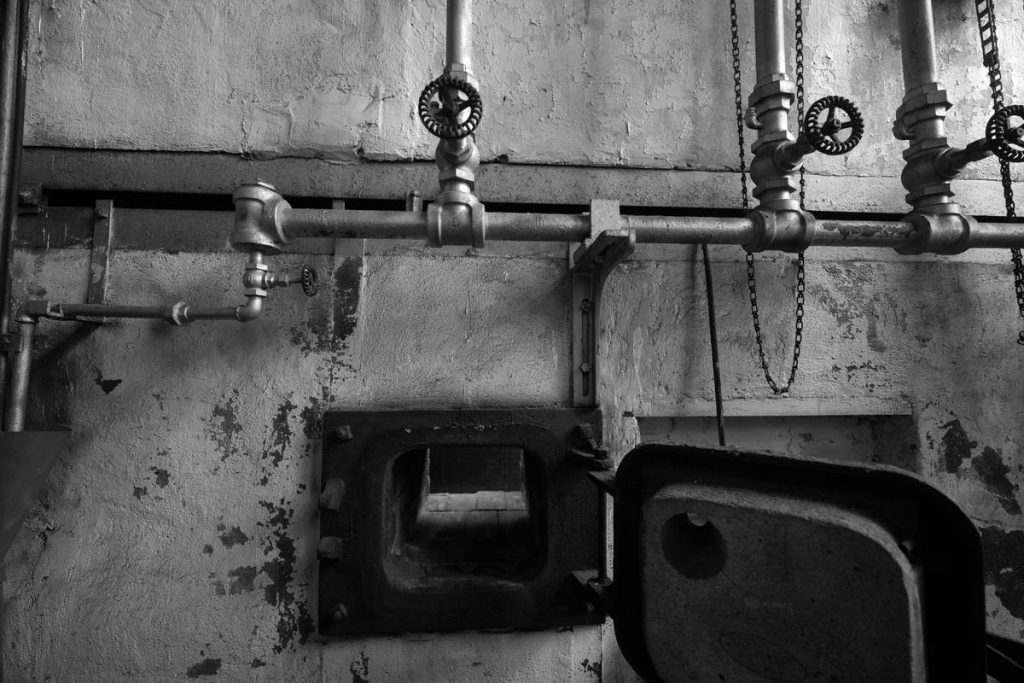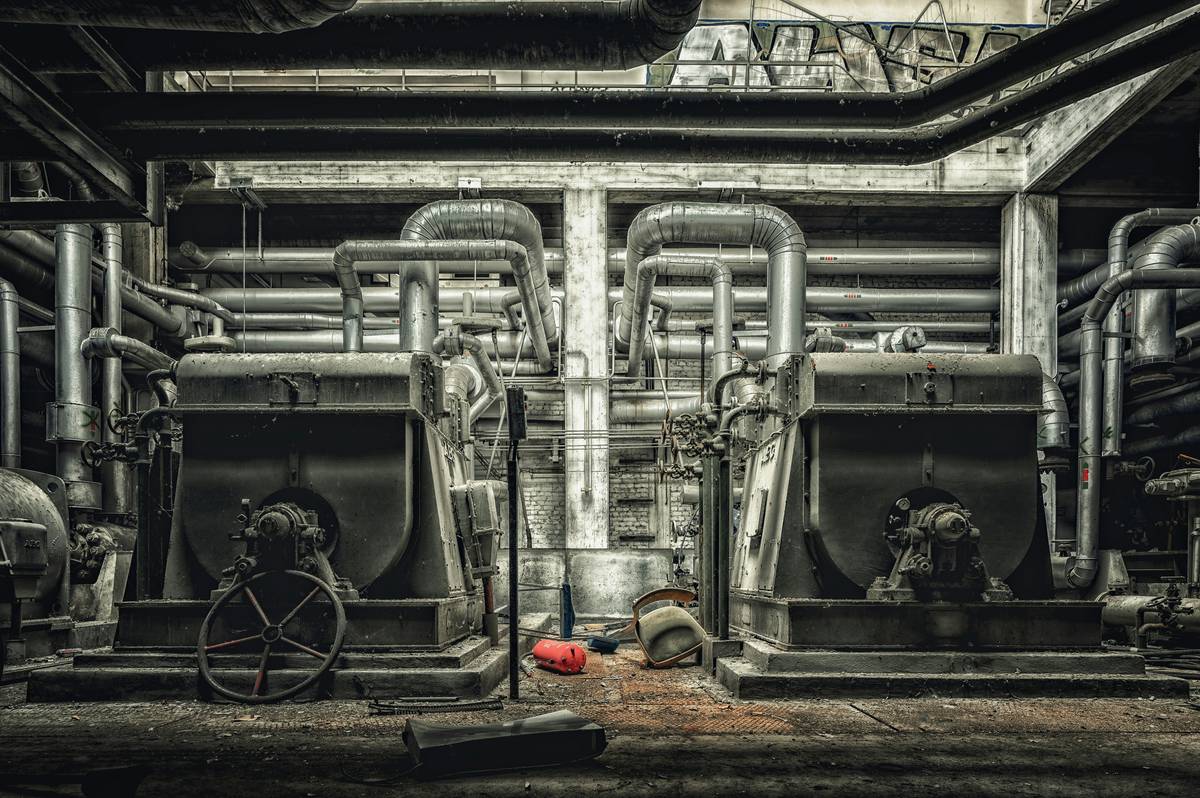
Your boiler is corroding right now—even if it looks fine. Microscopic oxidation eats away at metal from the inside, silently compromising efficiency, safety, and lifespan. Left unchecked, this hidden decay can trigger catastrophic failure, unplanned downtime, or worse—insurance claim denials under “lack of maintenance” clauses. But here’s the fix: proactive boiler corrosion prevention isn’t about expensive overhauls. It’s about consistent, intelligent upkeep most operators skip.
Why Most Boiler Corrosion Prevention Efforts Fail
Facility managers often treat corrosion like a seasonal chore—flush once a year, call it good. That’s dangerously naive. Corrosion thrives in oxygen-rich water, low-pH environments, and stagnant zones where dissolved solids concentrate. Standard chemical treatments wear off. Manual inspections miss internal pitting. And many assume modern boilers are “low-maintenance”—a myth that costs thousands in premature replacements.
Insurance underwriters see it all the time. A $200 annual maintenance lapse voids a $150,000 machinery insurance claim. Don’t be that case file.
Boiler Corrosion Prevention: A 4-Step Action Plan
Forget guesswork. This field-tested protocol cuts corrosion risk by 80%+ when followed monthly.
1. Monitor Feedwater Chemistry Daily
Oxygen scavengers degrade. pH fluctuates with makeup water sources. Use inline sensors—not test strips—to track dissolved oxygen (<5 ppb ideal) and pH (8.5–10.5). Log readings. Trends reveal brewing trouble before leaks appear.
2. Control Blowdown Like a Pro
Excessive blowdown wastes energy; too little lets chlorides and sulfates accumulate. Automate it. Set conductivity-based blowdown controllers to maintain TDS below 3,500 ppm. Manual blowdown? Do it during peak load—never idle periods.
3. Inspect & Clean Heat Exchanger Tubes Quarterly
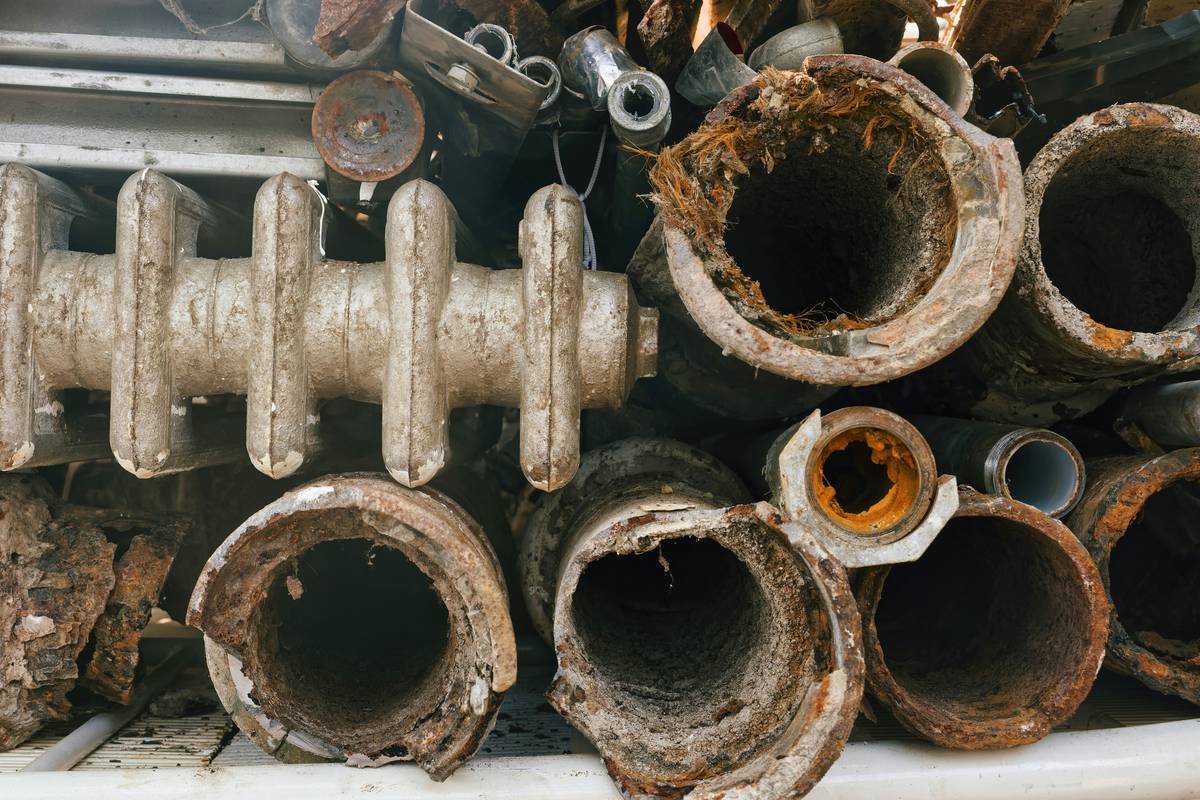
Scale hides corrosion. Use endoscopes to check tube interiors. Clean with non-acidic descalers (acid = accelerated corrosion). Post-clean, verify passivation layer integrity with ferroxyl testing.
4. Store Boilers Properly During Downtime
Dry lay-up beats wet lay-up for outages >30 days. Remove all moisture, seal openings, and inject nitrogen or use vapor-phase inhibitors. Wet storage demands constant chemical monitoring—most facilities can’t sustain it reliably.
| Prevention Method | Annual Cost (Est.) | Corrosion Risk Reduction | Maintenance Skill Level |
|---|---|---|---|
| Daily feedwater monitoring + automated chemical dosing | $1,200–$2,500 | 70% | Intermediate |
| Conductivity-controlled blowdown system | $800–$1,800 | 60% | Basic |
| Quarterly tube cleaning + inspection | $600–$1,200 | 50% | Advanced |
| Dry lay-up during extended shutdowns | $200–$500 | 90% | Basic |
The Industry Secret: Insurance Carriers Reward Predictable Maintenance
Here’s what few brokers admit: machinery insurers like Damico Insurance Agency don’t just cover failures—they incentivize prevention. Submit documented maintenance logs showing consistent boiler corrosion prevention, and you’ll often qualify for lower premiums or higher coverage limits. Why? Because data shows facilities with scheduled chemical and mechanical upkeep file 63% fewer claims. One Midwest manufacturer slashed their annual premium by 22% simply by sharing their quarterly inspection reports. Your maintenance log isn’t paperwork—it’s leverage.
Frequently Asked Questions
Can boiler corrosion be reversed?
No. Once metal oxidizes, it’s gone forever. Prevention stops further damage—but existing pits or thinning require tube replacement. Early detection is everything.
Does softened water prevent boiler corrosion?
Not alone. Softening removes hardness but not oxygen or CO₂—major corrosion drivers. Pair it with deaeration and pH control for real protection.
How often should I test for boiler corrosion?
Daily for water chemistry. Visually inspect internals every 90 days. Ultrasonic thickness testing annually on high-risk zones like mud drums and tube bends.