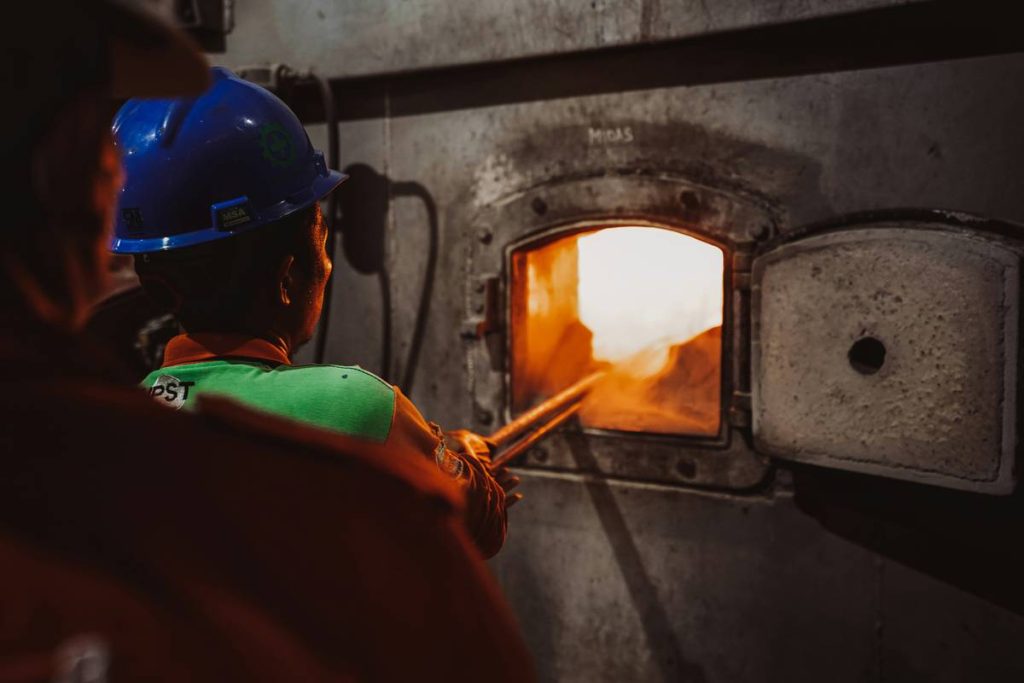
Imagine a catastrophic boiler failure during winter finals week. Dorms go cold. Labs shut down. Classes cancel. And your university’s emergency fund evaporates overnight. Most institutions assume general property insurance covers mechanical breakdowns—it doesn’t. The solution? Specialized boiler insurance for universities that bridges this dangerous coverage gap before disaster strikes.
Why Standard Property Insurance Fails Universities on Boiler Failures
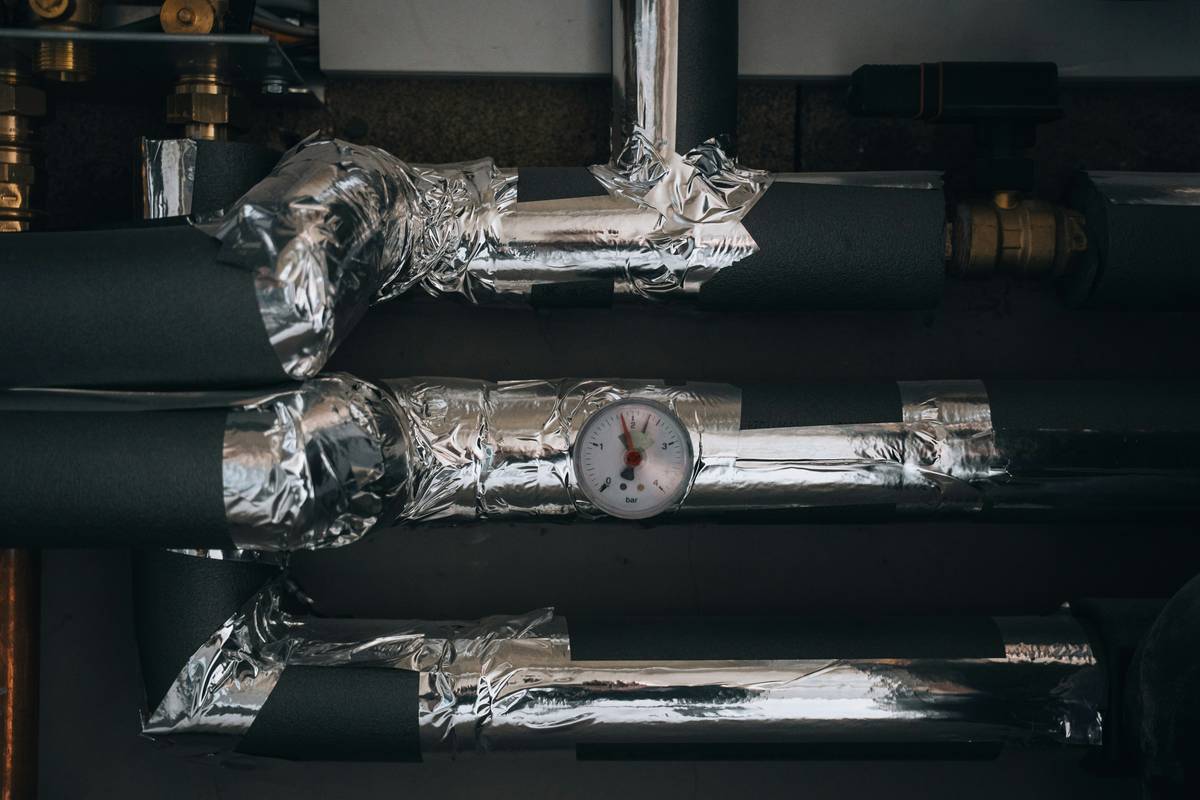
General property policies cover fire, theft, or storm damage—not internal mechanical or pressure-related failures. A ruptured steam line or cracked heat exchanger? That’s typically excluded.
And universities are sitting ducks. Aging campus infrastructure. 24/7 operational demands. Tight capital budgets delaying upgrades. One rupture can cost six figures in equipment replacement, business interruption, and liability claims.
Here’s the reality: boiler codes evolve, but insurance lags behind. Most underwriters still treat a university boiler like a factory asset—ignoring its role in housing, research, and student safety.
Boiler Insurance for Universities: A Step-by-Step Coverage Strategy
Implementing effective coverage isn’t about buying the cheapest policy. It’s about aligning engineering risk with financial protection.
Assess Your Equipment Inventory Honestly
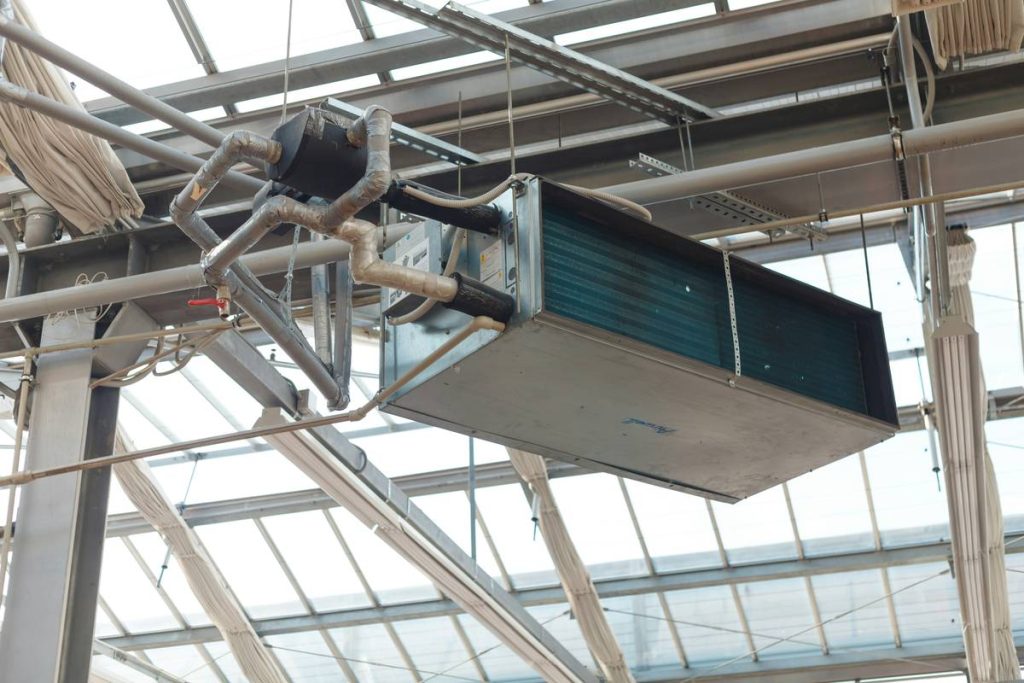
List every pressure vessel: main boilers, HVAC chillers, autoclaves in bio-labs, even industrial dishwashers in dining halls. Many schools overlook ancillary equipment until it fails.
Demand “Breakdown-Plus” Endorsements
Basic boiler and machinery (BM) policies cover sudden failure. But push for endorsements covering consequential losses—like spoiled lab samples or mold remediation after water damage from a burst pipe.
Coordinate with Risk Management Teams
Your facilities director shouldn’t choose coverage alone. Involve legal, finance, and environmental health & safety officers. They’ll spot hidden exposures you’d miss.

| Coverage Feature | Basic BM Policy | Enhanced University-Specific Policy |
|---|---|---|
| Equipment Scope | Main boilers only | Includes HVAC, lab autoclaves, steam lines, pressure washers |
| Business Interruption | Optional add-on | Built-in, covers dorm revenue loss & academic disruption |
| Preventive Maintenance Credit | Rarely offered | Up to 15% premium discount for ASME-certified inspections |
| Average Annual Premium (for mid-size university) | $8,000–$12,000 | $11,000–$18,000 (but includes broader indemnity) |
The Industry Secret: Loss Control Beats Claims Payouts Every Time
Top-tier insurers don’t just write checks—they deploy engineers. At Damico Insurance Agency, we’ve seen carriers send field reps to audit university boiler rooms before quoting premiums. Why?
Because a $5,000 inspection that prevents a $500,000 explosion is smarter than paying out later. Here’s the twist: schools that share their maintenance logs upfront often get lower rates and faster claim approvals. Transparency becomes leverage.
But most universities hide old repair records—fearing higher premiums. Bad move. Insurers prefer proactive partners over perfect paper trails. Show them your last three ASME certificates, and you might unlock preferred terms others never see.
Frequently Asked Questions
Does boiler insurance for universities cover third-party injuries from explosions?
Yes—if your policy includes liability extensions. Standard BM policies are first-party only; always confirm bodily injury coverage is bundled.
Are newer condensing boilers less risky—and cheaper to insure?
Generally, yes. Their lower operating pressures reduce catastrophic failure odds. Some insurers offer 10–12% discounts for units under five years old with digital monitoring.
Can grant-funded research labs be covered separately?
Absolutely. Standalone endorsements can protect high-value equipment in NIH or NSF-funded facilities without inflating the main campus premium.