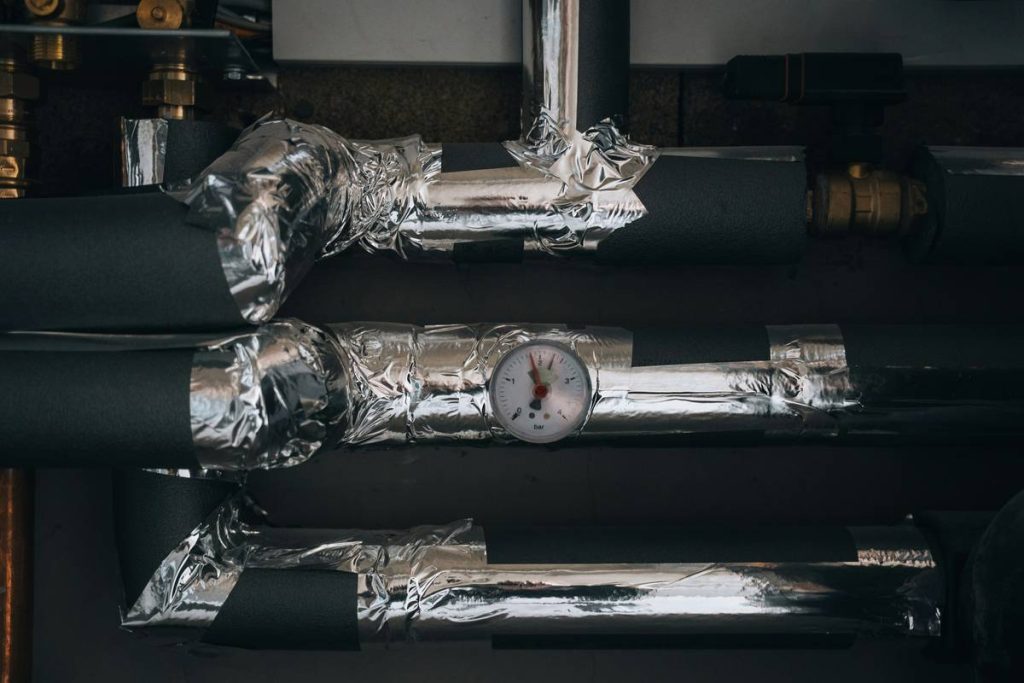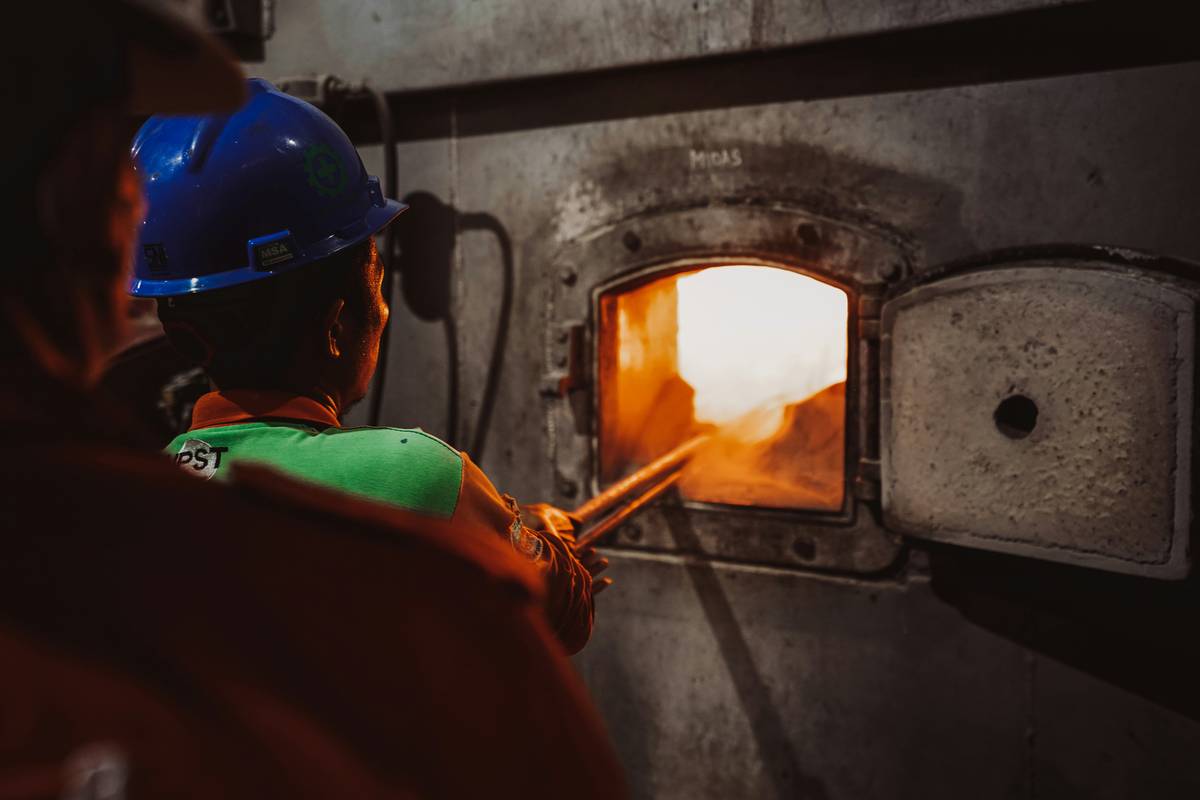
Your dry cleaning operation runs on steam, pressure, and precision. One boiler failure won’t just shut down your shop—it could vaporize your profits overnight. Standard commercial property policies? They often exclude sudden steam explosions or mechanical breakdowns. That’s where boiler insurance for dry cleaners steps in—not as an option, but as a lifeline.
The Hidden Risk Most Dry Cleaners Ignore
Dry cleaners rely on industrial boilers to power presses, generate steam, and maintain workflow. These aren’t household water heaters—they’re high-pressure vessels operating under constant stress. And yet, many owners assume their general liability or equipment coverage handles catastrophic failure. It doesn’t.
Here’s the reality: a ruptured boiler can cause fires, scalding injuries, or flood your facility with superheated steam. Repair costs easily hit $50,000+. Add business interruption losses—$3,000 a day isn’t unusual—and you’re staring at financial ruin. Standard policies treat boilers as “inherently hazardous,” often carving them out entirely.
boiler insurance for dry cleaners: Your 4-Step Protection Plan
Step 1: Audit Your Equipment Profile
List every pressurized system: steam boilers, air compressors, even heat exchangers. Note age, pressure rating, maintenance logs. Older units (>10 years) are red flags—but newer ones aren’t immune. Poor water treatment or infrequent inspections create hidden corrosion.
Step 2: Demand “All-Risk” Breakdown Coverage
Avoid policies that only cover “explosions.” You need coverage for mechanical failure, electrical arcing, operator error—even gradual wear if it leads to sudden breakdown. Push for per-occurrence limits of $100K+.
Step 3: Insist on Business Interruption Add-Ons
Boiler downtime = zero revenue. Ensure your policy includes extra expense coverage: temporary relocation costs, rush-order fees, even employee retention pay during repairs.
Step 4: Lock in Annual Safety Certifications
Many insurers offer 10–25% discounts for ASME-compliant inspections or third-party maintenance contracts. Document everything—photos, technician reports, water test results. This proves proactive risk management.
| Coverage Type | Typical Limit | Avg. Annual Premium (Dry Cleaner) | What’s Included? |
|---|---|---|---|
| Basic Boiler & Machinery | $50,000 | $850–$1,200 | Explosions, mechanical failure, property damage |
| Enhanced Equipment Breakdown | $150,000 | $1,600–$2,400 | All of above + electrical surge, operator error, business interruption up to 12 months |
| Custom Dry Cleaner Package | $250,000+ | $2,800–$3,900 | Full breakdown coverage + spoilage of garments, emergency equipment rental, code upgrade costs |
The Industry Secret No One Talks About
Most agents quote boiler insurance based on boiler capacity alone. But here’s what they don’t tell you: your claim history on other lines matters more. Had two slip-and-fall claims last year? Insurers assume operational negligence—and jack up your boiler premium or deny coverage outright. The fix? Bundle your GL, property, and boiler policies with one A-rated carrier. At Damico Insurance Agency, we’ve seen clients cut premiums by 31% simply by consolidating underwriters who trust their overall risk profile—not just one piece of metal.
Think about it. A clean claims record across all policies signals discipline. And disciplined shops maintain their boilers better. It’s not magic—it’s actuarial logic most small operators overlook.
Frequently Asked Questions
Does boiler insurance cover damaged clothing during a steam explosion?
Only if you have spoilage coverage added. Standard policies cover equipment and structure—not inventory. Always request garment spoilage endorsement.
How often must boilers be inspected to keep coverage valid?
Most carriers require annual inspections by certified technicians. Miss one, and your claim could be voided—even for unrelated failures.
Can I get boiler insurance if my unit is over 15 years old?
Yes—but expect higher deductibles and mandatory condition assessments. Some insurers may require partial upgrades before binding.